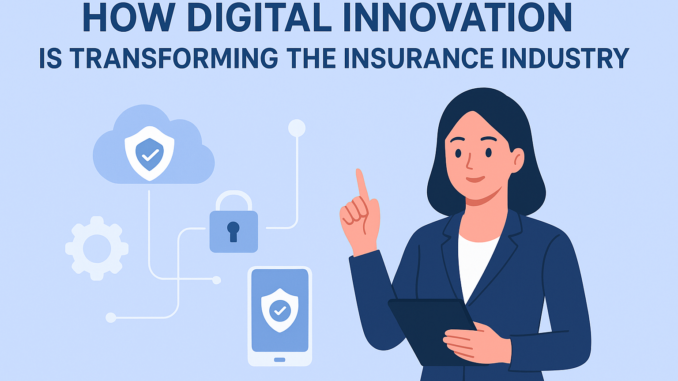
How Digital Innovation Is Transforming the Insurance Industry
The insurance industry, once known for paperwork, slow processing times, and traditional customer service models, is now experiencing a major digital revolution. Technology is reshaping how insurers operate, how customers interact with companies, and how policies are delivered. From artificial intelligence to blockchain and telematics, digital innovation is unlocking faster, more efficient, and customer-friendly insurance solutions. In this guide, we explore how digital transformation is revolutionizing the insurance sector and what it means for consumers and businesses in 2025 and beyond.
1. The Rise of Digital Transformation in Insurance
The global shift toward digital solutions has accelerated rapidly in recent years, especially following the COVID-19 pandemic. Customers now expect seamless online services, quick claims processing, and transparent communication. Traditional insurance processes—which often involved multiple paperwork steps and long waiting periods—no longer meet modern expectations.
Insurance companies have responded by integrating advanced technologies into their operations. This digital shift is improving efficiency, reducing operational costs, and enhancing customer experience. As a result, insurers can now provide more personalized, accessible, and dynamic services.
2. Artificial Intelligence (AI) Reshaping Customer Experience
Artificial intelligence is one of the most impactful technologies transforming the insurance industry. Through AI-driven tools, insurers can automate processes, reduce human errors, and deliver personalized solutions.
AI-Powered Chatbots and Virtual Assistants
Chatbots can provide instant answers to customer queries, guide policy selection, and assist with claims submissions. Available 24/7, these virtual assistants help customers without requiring human intervention.
Personalized Policy Recommendations
AI algorithms analyze customer data—such as lifestyle, risk profile, and preferences—to recommend the most suitable insurance plans. This personalization helps customers make informed decisions quickly.
Fraud Detection and Risk Analysis
AI can scan large volumes of data to detect suspicious claims and unusual patterns. By identifying fraud early, insurers reduce losses and maintain fair pricing for honest customers.
3. Big Data and Predictive Analytics Enhancing Decision-Making
Data is the foundation of digital innovation. With big data analytics, insurers can assess risk more accurately than ever before. Instead of relying only on traditional questionnaires, companies now analyze various data sources, including:
- Customer behavior
- Health data from wearables
- Driving habits from telematics
- Environmental and geographical data
Improved Risk Assessment
Predictive models allow insurers to calculate premiums based on real risk levels rather than broad assumptions. For example, a driver with safe driving habits recorded through a telematics device can receive lower car insurance premiums.
Better Customer Insights
Insurers now understand customer needs more deeply, allowing them to develop new products, targeted promotions, and personalized communication strategies.
4. Blockchain Enhancing Transparency and Security
Blockchain technology provides a secure, decentralized method of managing transactions and data, making it valuable for the insurance industry.
Smart Contracts
Smart contracts automatically execute insurance agreements when certain conditions are met. For example, travel insurance can automatically payout if a flight is delayed or canceled.
Fraud Reduction
Blockchain’s transparent and immutable nature reduces the possibility of manipulated records or fraudulent claims.
Faster Claims Processing
Since blockchain keeps real-time records accessible to relevant parties, claims verification becomes quicker and smoother.
5. Telematics and IoT Creating Usage-Based Insurance Models
The Internet of Things (IoT) and telematics devices collect real-time data that insurers use to create more dynamic and personalized policies.
Usage-Based Car Insurance
Telematics devices fitted in vehicles track driving behavior—speed, braking, travel distance, and more. Safe drivers can receive big discounts, encouraging responsible driving habits.
Smart Home Devices for Property Insurance
Sensors that detect fire, water leaks, or break-ins help prevent major damages. Insurers reward homeowners who use these devices with lower premiums.
Wearables for Health Insurance
Smartwatches and fitness trackers record health data, helping insurers offer wellness-focused benefits and incentives for healthier lifestyles.
6. Online Platforms and Mobile Apps Improving Accessibility
Gone are the days when customers had to visit physical offices to purchase or update policies. Digital platforms and mobile apps now provide seamless access to insurance services.
Instant Policy Purchase
Customers can compare plans, get quotes, and buy insurance online within minutes.
Claim Submission Through Apps
Mobile apps allow users to upload photos, documents, and incident details instantly, reducing processing time significantly.
Policy Management at Your Fingertips
From premium payments to policy updates, mobile apps make insurance management easier and more efficient.
7. Cloud Computing Supporting Scalability and Data Management
Cloud computing provides insurers with a secure and scalable infrastructure for storing and managing massive data volumes.
Real-Time Collaboration
Teams across different locations can work together more efficiently using cloud-based tools.
Cost Efficiency
Cloud services reduce the need for expensive internal IT infrastructures.
Improved Data Security
Many cloud platforms offer advanced cybersecurity measures to protect sensitive insurance data.
8. InsurTech Startups Driving Innovation
A new wave of InsurTech (Insurance Technology) startups is challenging traditional insurance models with bold, customer-focused innovations.
New Business Models
Startups experiment with modern insurance solutions such as:
- Peer-to-peer insurance
- Micro-insurance
- On-demand coverage (e.g., insuring a camera only when traveling)
Faster Innovation Cycles
With agile systems and fewer bureaucratic layers, InsurTech companies introduce new features and improvements at a much faster pace.
9. Cybersecurity: Protecting Data in a Digital Age
As digital adoption grows, so does the risk of cyberattacks. Insurance companies handle sensitive customer data, making cybersecurity a top priority.
Advanced Encryption Techniques
Modern encryption ensures customer information stays private and safe.
Multi-Factor Authentication
Insurers now use additional verification layers to prevent unauthorized access.
Cyber Insurance Demand Rising
More businesses and individuals are purchasing cyber insurance to protect themselves from data breaches, ransomware, and hacking incidents.
10. The Future of Insurance: Fully Automated and Highly Personalized
The future of the insurance industry is heading toward automation, personalization, and predictive services.
Automated Claims Processing
AI-powered systems will handle entire claims processes with minimal human intervention, providing faster payouts and fewer errors.
Hyper-Personalized Policies
With advanced analytics, insurance policies will be tailored to each individual’s behavior, lifestyle, and real-time data.
On-Demand Insurance Becoming Mainstream
Customers will increasingly choose temporary insurance coverage for specific occasions or items, offering greater flexibility.
Conclusion
Digital innovation is transforming every corner of the insurance industry, bringing unprecedented convenience, accuracy, and personalization. From AI-driven insights and blockchain transparency to IoT-based policies and mobile app accessibility, technology is creating a smarter, more customer-centered insurance landscape.
As we move deeper into 2025, insurance companies that embrace digital tools will lead the market, while customers benefit from faster service, fairer pricing, and smarter protection. The future of insurance is not just digital—it’s intelligent, proactive, and designed to meet the evolving needs of modern life.