Top Automotive Trends Shaping the Future of Cars in 2025
The automotive world is changing faster than ever, driven by new technologies, environmental concerns, and shifting consumer expectations. The year 2025 marks a major turning point for the global car industry, as nearly every major automaker invests in advanced engineering, digital connectivity, and clean-energy solutions. What was once considered futuristic—self-driving systems, vehicles that update like smartphones, and fully electric fleets—is becoming a reality.
In this article, we’ll explore the top automotive trends shaping the future of cars in 2025, how they impact drivers, and what they mean for the future of transportation.
1. Rapid Growth of Electric Vehicles (EVs)
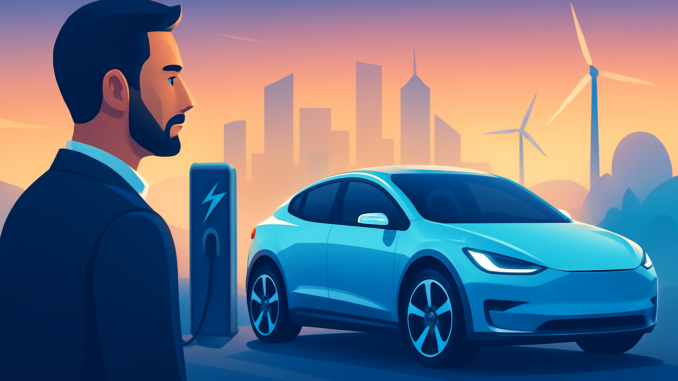
Electric vehicles are no longer a niche product. In 2025, they are moving into the mainstream. Governments around the world continue pushing for lower emissions, while automakers release electric options in nearly every category—from compact cars to full-size SUVs.
Why EVs are booming in 2025
- Affordable models enter the market: Improvements in battery production and competition among brands have made EVs more budget-friendly.
- Longer driving range: Many new electric models offer 400–500 km on a single charge, reducing range anxiety.
- More charging stations: Cities, shopping centers, and workplaces continue installing charging ports, making EV use more convenient.
- Eco-friendly appeal: More consumers value sustainability and want cars that reduce their carbon footprint.
The shift toward electric power is also influencing other areas of the industry, including battery recycling, renewable energy integration, and even EV-specific insurance policies.
2. Advanced Driver-Assistance Systems (ADAS) and Semi-Autonomous Cars
While fully self-driving cars aren’t widely available yet, 2025 marks a major leap forward, especially with Advanced Driver-Assistance Systems (ADAS). These technologies increase road safety and make driving easier, especially in traffic-heavy environments.
Key ADAS features becoming standard in 2025
- Lane-keeping assist
- Adaptive cruise control
- Automatic emergency braking
- Blind-spot monitoring
- Traffic jam assist
Some premium vehicles now include Level 3 autonomy, allowing the car to control itself in certain conditions while still requiring a human driver to take over when alerted. This is a significant step toward fully autonomous vehicles.
Benefits for drivers
- Reduced stress during long commutes
- Fewer accidents caused by human error
- Smoother highway driving
- Increased protection for new or inexperienced drivers
ADAS is becoming a selling point for many consumers in 2025, as safety and convenience matter more than ever.
3. Software-Defined Vehicles and Over-the-Air (OTA) Updates
One of the biggest transformations in 2025 is the rise of software-defined vehicles—cars that depend on digital systems just as much as mechanical parts.
What does “software-defined” mean?
It means that features like driving modes, infotainment, battery management, and safety systems are controlled by software that can be updated without visiting a dealership.
The power of OTA updates
Over-the-air updates allow manufacturers to:
- Fix bugs
- Add new features
- Improve battery efficiency
- Enhance safety performance
For drivers, this makes owning a car feel more like owning a smartphone. Instead of becoming outdated after a few years, vehicles can stay current through continuous updates.
Many automakers are also launching app-based ecosystems, where drivers can customize settings, manage charging schedules, or even unlock paid upgrades—such as enhanced performance or advanced navigation.
4. Sustainable Materials and Eco-Friendly Manufacturing
Sustainability isn’t limited to EVs. In 2025, the automotive industry is focusing on green manufacturing practices and eco-friendly materials, driven by stricter environmental regulations and increasing awareness among consumers.
Examples of sustainable innovations
- Recycled plastics from bottles and industrial waste
- Plant-based fabrics and vegan leather interiors
- Aluminum and carbon-fiber components that lower vehicle weight and improve efficiency
- Energy-efficient factories powered by solar or wind energy
Some brands are even experimenting with materials like bamboo fibers, hemp composites, and biodegradable plastics.
By designing cars with their full life cycle in mind—from production to recycling—manufacturers aim to reduce the environmental impact of transportation as a whole.
5. Connected Cars and 5G Technology
A major shift in 2025 is the widespread integration of 5G connectivity, making vehicles smarter and more connected than ever before. Cars can now communicate with each other, with road infrastructure, and with cloud networks.
What 5G enables
- Real-time traffic updates with higher accuracy
- Enhanced navigation that adjusts instantly to road conditions
- Vehicle-to-vehicle (V2V) communication for safer driving
- Vehicle-to-infrastructure (V2I) communication for smart traffic signals
- Better infotainment, including streaming and live weather alerts
Connected cars can also send diagnostic reports to owners or dealerships, helping predict issues before they cause breakdowns. This level of intelligence improves both safety and efficiency.
6. Rise of Mobility-as-a-Service (MaaS)
Instead of owning a car, more people in 2025 rely on Mobility-as-a-Service, which includes:
- Ride-hailing
- Car-sharing
- Short-term rentals
- Subscription-based driving plans
This trend is especially popular in crowded urban areas where owning a car is expensive and impractical.
Why MaaS is growing
- Lower cost than owning and maintaining a personal car
- Reduced city traffic and pollution
- Increased convenience for short-distance travel
- Flexible options for travelers and occasional drivers
Automakers are responding by offering subscription services where users can swap between different vehicle types—from sedans to SUVs—depending on their needs.
7. Hydrogen Fuel-Cell Vehicles Gaining Interest
While electric vehicles dominate the spotlight, hydrogen fuel-cell vehicles (FCVs) are gaining new attention in 2025. These vehicles run on hydrogen and emit only water vapor.
Advantages of hydrogen cars
- Faster refueling compared to EV charging
- Longer driving ranges
- Suitable for larger vehicles like trucks and buses
Although hydrogen infrastructure is still limited, several countries are investing in refueling stations, making FCVs a rising trend to watch.
8. Improved Battery Technology and Faster Charging
A major challenge for EV adoption has always been charging time. But in 2025, new advancements are solving this issue.
Battery improvements include:
- Solid-state batteries with higher energy density
- Ultra-fast charging, reaching 80% power in under 10 minutes
- Longer battery lifespan with reduced degradation
Better batteries make EVs more practical for long-distance travel and reduce overall ownership costs.
9. Personalized Digital Cockpits
In 2025, car interiors feel more like tech hubs than traditional cabins. The digital cockpit is becoming a major focus point for automakers.
Features of modern digital dashboards
- Large touchscreens
- Voice-controlled assistants
- Augmented reality (AR) displays for navigation
- Customizable driver profiles
Drivers can personalize climate settings, seat adjustments, and driving preferences through a simple app. Audi, Mercedes, Tesla, and many other brands are leading the way in creating immersive, user-friendly dashboards.
10. Expansion of Green Logistics and Smart Transportation
Outside personal vehicles, the entire transportation ecosystem is transforming. Smart logistics solutions—such as autonomous delivery vans and electric trucks—are becoming essential for shipping companies.
What this trend means for consumers
- Faster deliveries
- Reduced transportation costs
- Lower emissions from large fleets
Cities are also integrating smart traffic systems, electric public transport, and bike lanes, creating a cleaner and more efficient urban environment.
Conclusion: A New Era of Innovation
The automotive trends shaping 2025 reflect a future that is cleaner, smarter, safer, and more connected. From electric vehicles with long ranges to advanced driver-assistance systems, software-driven features, and sustainable manufacturing, the industry is undergoing one of the biggest transformations in its history.
Whether you are a car enthusiast, a daily commuter, or simply curious about how technology is changing transportation, these trends show how quickly the automotive world is evolving. The future of driving is no longer decades away—it is happening right now.