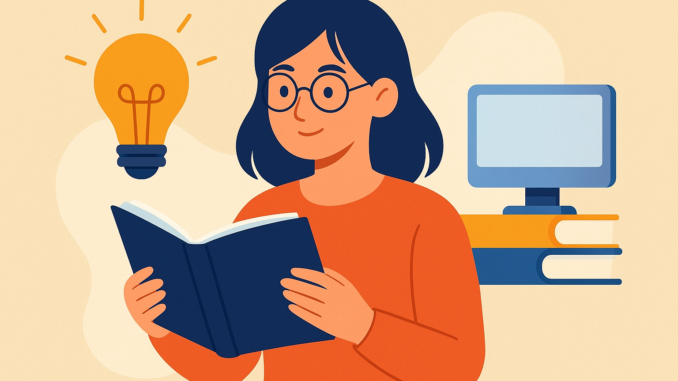
The Importance of Lifelong Learning in a Fast-Changing World
In today’s rapidly evolving world, education is no longer something that ends with a diploma or university degree. From technological advancements to shifting job markets, the pace of global change has made continuous learning not just helpful, but essential. Lifelong learning— the ongoing process of developing new skills, knowledge, and experiences throughout life — plays a crucial role in helping individuals stay adaptable, relevant, and fulfilled.
In a world where new technologies emerge quickly and industries evolve overnight, those who continue learning can thrive, while those who don’t may find themselves left behind. This article explores the importance of lifelong learning in a fast-changing world, why it matters, and how you can make it a natural part of your everyday life.
1. The World Is Changing Faster Than Ever Before
The rise of digital technology has brought tremendous changes across all aspects of life, from communication and education to work and entertainment. Automation, artificial intelligence, and remote work have redefined what it means to be prepared for the future.
Examples of Rapid Change:
- New technologies replace old systems every few years
- Entire industries evolve or disappear
- Job roles and required skills change faster than before
- Information grows exponentially online
- Global connectivity creates new opportunities and competition
To remain competitive, individuals must update their skills and knowledge regularly. Lifelong learning helps people stay aware of new trends and adapt to modern challenges.
2. Lifelong Learning Keeps You Relevant in the Job Market
One of the strongest reasons lifelong learning is important is its impact on career success. Today’s organizations value adaptability, problem-solving, and the ability to learn quickly. Many job descriptions now require skills that did not exist a decade ago.
Why Lifelong Learning Helps Your Career:
- Enhances professional knowledge
- Improves job security
- Opens opportunities for promotions
- Helps you switch career paths
- Makes you more confident in your abilities
- Keeps you competitive in your industry
Upskilling (learning new skills) and reskilling (changing skills) have become essential strategies for career growth. Individuals who continuously learn stand out in the job market.
3. Continuous Learning Strengthens Your Brain
Just like physical exercise keeps your body healthy, continuous learning strengthens your brain. Neuroscience research shows that learning new skills creates new neural pathways, improving memory and cognitive function.
Benefits of Mental Stimulation:
- Improves critical thinking
- Enhances problem-solving skills
- Reduces the risk of age-related cognitive decline
- Boosts creativity
- Enhances focus and productivity
By challenging your brain regularly with new information or skills, you stay mentally sharp and agile, regardless of age.
4. Lifelong Learning Encourages Personal Growth
Lifelong learning is not just about career development—it plays a significant role in personal satisfaction and growth. Learning introduces you to new perspectives, cultures, and ways of thinking.
Personal Growth Advantages:
- Helps you discover new passions
- Expands your worldview
- Builds confidence
- Improves communication skills
- Makes everyday life more fulfilling
Whether you’re learning a musical instrument or exploring a new language, lifelong learning enriches your overall life experience.
5. Technology Makes Learning More Accessible Than Ever
Thanks to digital tools, lifelong learning has never been easier. You no longer need to attend physical classes or buy expensive textbooks. Anyone with a smartphone, tablet, or laptop can access thousands of free or affordable resources.
Examples of Digital Learning Tools:
- Online courses (Coursera, Udemy, edX)
- Educational apps (Duolingo, Khan Academy)
- YouTube tutorials
- Podcasts and audiobooks
- Virtual workshops and webinars
- E-books and digital libraries
These tools make lifelong learning flexible, simple, and enjoyable. You can learn anything—from cooking to coding—at your own pace and convenience.
6. Adaptability: The Key to Thriving in a Dynamic World
Adaptability is one of the most valuable skills in the modern age. When people face unexpected changes—such as industry disruptions or economic shifts—lifelong learning equips them to adjust quickly.
How Lifelong Learning Builds Adaptability:
- Encourages flexible thinking
- Helps you embrace new technologies
- Strengthens resilience
- Reduces fear of change
- Makes transitions smoother and less stressful
An adaptable mindset allows individuals to overcome challenges more easily and find opportunities in unexpected places.
7. Lifelong Learning Improves Social and Emotional Skills
Many people think learning only involves academic or technical skills, but emotional and social skills are just as important. Lifelong learning helps improve relationships, communication, and emotional intelligence.
Examples of Social-Emotional Skills:
- Empathy
- Conflict resolution
- Leadership
- Teamwork
- Patience
- Time management
These skills are highly valued in both personal and professional settings. When you continuously learn and reflect, you become more self-aware and better at connecting with others.
8. It Helps You Stay Confident and Motivated
Confidence comes from knowledge and the ability to handle new situations. When you regularly learn new things, you feel more prepared and capable.
Why Learning Boosts Confidence:
- Helps you master new abilities
- Provides a sense of progress
- Opens more opportunities
- Encourages independence
- Supports better decision-making
Lifelong learners tend to be more motivated, goal-oriented, and enthusiastic about life.
9. Lifelong Learning Strengthens Community and Social Connection
Learning new things often brings people together. Whether through study groups, online learning communities, or workshops, you can meet people who share your interests.
Benefits of Community-Based Learning:
- Builds meaningful friendships
- Encourages teamwork
- Creates support networks
- Helps people exchange ideas
- Promotes cultural understanding
Social connection is essential for emotional well-being, and lifelong learning helps build that connection.
10. Learning Helps You Adapt to New Technologies
Technology changes so fast that many people feel left behind. Lifelong learning ensures you stay comfortable with new tools and platforms that impact daily life.
Examples of Technology You May Need to Learn:
- Smartphones and digital apps
- Online banking and payment platforms
- Remote work tools like Zoom
- AI-powered systems
- Smart home devices
- Online shopping and digital services
By staying informed about new technologies, you maintain independence and efficiency in your personal and professional life.
11. Lifelong Learning Promotes a Growth Mindset
A growth mindset—the belief that abilities can improve through effort—is one of the strongest predictors of success. Lifelong learning naturally develops this mindset.
Characteristics of a Growth Mindset:
- Enjoys challenges
- Learns from mistakes
- Believes effort leads to growth
- Stays persistent
- Embraces improvement
People with a growth mindset are more resilient and more willing to take on new opportunities.
12. Practical Ways to Practice Lifelong Learning
Lifelong learning does not require big commitments. Instead, small, consistent habits make the biggest difference. Here are practical ways to make learning part of your everyday routine:
Daily Habits:
- Read books or articles for 15–20 minutes
- Watch educational videos or tutorials
- Listen to podcasts while commuting
- Try new hobbies
- Write reflections in a journal
- Practice problem-solving or brain games
Monthly or Long-Term Habits:
- Take online courses
- Join workshops or training programs
- Participate in community learning events
- Set personal development goals
- Learn a new language or skill
- Challenge yourself with creative projects
Consistency leads to growth, so even small daily actions contribute to lifelong learning.
Conclusion
In a world where change is constant and unpredictable, lifelong learning has become more important than ever. It empowers individuals to stay relevant, adapt quickly, and grow both personally and professionally. Lifelong learning strengthens the mind, builds confidence, expands opportunities, and enriches daily life.
The commitment to continuous learning does not require major sacrifices—just curiosity, consistency, and the willingness to grow. Whether you are improving your career skills, learning new technologies, or developing personal interests, lifelong learning is the key to success in a fast-changing world.
By embracing lifelong learning, you prepare yourself not just for today, but for a better, stronger, and more capable future.