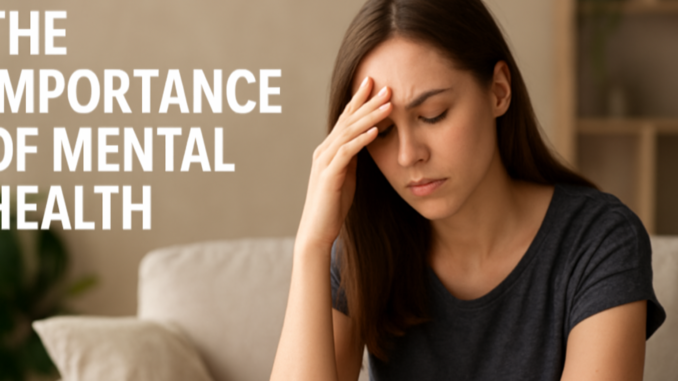
The Importance of Mental Health: Strategies to Reduce Stress and Anxiety
In today’s fast-paced world, mental health has become just as important as physical health—if not more. While modern life brings endless opportunities, it also comes with increasing pressure, uncertainty, and daily challenges that can take a toll on our emotional well-being. Stress and anxiety are now common experiences for millions of people, regardless of age, gender, or background.
Understanding mental health and learning effective ways to manage stress is crucial for building a healthier, happier, and more balanced life. This article explores why mental health matters, what causes stress and anxiety, and practical strategies backed by science to help you regain control and improve your emotional well-being naturally.
Why Mental Health Matters
Mental health influences every aspect of your life—from how you think and feel to how you act, connect with others, and make decisions. Good mental health enables you to handle stress, overcome challenges, build healthy relationships, and enjoy life. When your mental well-being suffers, your daily functioning, productivity, and even physical health can be affected.
1. Mental Health Impacts Physical Health
Stress and anxiety trigger the body’s “fight or flight” response, releasing cortisol and adrenaline. While useful in emergencies, long-term exposure to these hormones can cause:
- Headaches or migraines
- High blood pressure
- Sleep disturbances
- Weakened immune system
- Digestive issues
Chronic stress is even linked to heart disease and diabetes.
2. Mental Health Affects Quality of Life
When your mind is overwhelmed, simple tasks feel difficult. You may lose interest in hobbies, withdraw from social life, or feel unmotivated at work or school. Maintaining strong mental health allows you to enjoy activities, maintain balance, and feel more satisfied with life.
3. Mental Health Influences Relationships
Poor mental health can strain relationships. Stress and anxiety often lead to irritability, communication breakdowns, or emotional withdrawal. Investing in your mental well-being strengthens your capacity to connect with others and build meaningful, supportive relationships.
Common Causes of Stress and Anxiety
Stress and anxiety can arise from a combination of internal and external factors. Some of the most common include:
1. Work or Academic Pressure
Heavy workloads, deadlines, exams, and high expectations can easily overwhelm your emotional resilience.
2. Financial Worries
Money concerns are one of the leading sources of ongoing stress for adults.
3. Personal Relationships
Family issues, misunderstandings, or conflict with friends or partners can create emotional strain.
4. Major Life Changes
Moving to a new place, changing jobs, marriage, childbirth, or the loss of a loved one can deeply impact your mental stability.
5. Social Media and Information Overload
Constant exposure to news, societal expectations, or comparisons with others can increase anxiety and insecurity.
6. Lifestyle Factors
Lack of sleep, unhealthy eating, excessive caffeine, or lack of exercise can worsen stress and emotional instability.
Understanding your triggers is the first step toward managing stress effectively.
Signs That Stress and Anxiety May Be Affecting You
Many people experience stress without realizing how deeply it affects them. Here are some common signs:
- Feeling overwhelmed or constantly worried
- Difficulty sleeping or staying asleep
- Fatigue or low energy
- Loss of interest in daily activities
- Muscle tension or headaches
- Heart palpitations or shortness of breath
- Irritability or mood swings
- Difficulty focusing or making decisions
If these symptoms remain unaddressed, stress can escalate into chronic anxiety or depression.
Effective Strategies to Reduce Stress and Anxiety
The good news is that stress and anxiety are manageable. With consistent habits and mindful changes, you can significantly improve your emotional well-being. Below are evidence-based strategies you can incorporate into your daily routine.
1. Practice Deep Breathing and Relaxation Exercises
Breathing techniques help calm the nervous system and reduce anxiety almost instantly. Try the 4-7-8 method:
- Inhale deeply for 4 seconds
- Hold your breath for 7 seconds
- Exhale slowly for 8 seconds
Repeat for 3–5 cycles. This simple method lowers stress hormones and promotes relaxation.
Other relaxation practices include:
- Progressive muscle relaxation
- Mindfulness meditation
- Guided imagery
- Yoga or stretching
Just 10 minutes a day can make a noticeable difference.
2. Stay Physically Active
Exercise is one of the best natural remedies for anxiety. When you move your body, it releases endorphins—known as “feel-good” hormones—that improve mood and reduce stress. Physical activity also lowers cortisol levels.
Recommended activities include:
- Walking or jogging
- Dancing
- Cycling
- Home workouts
- Swimming
- Yoga or Pilates
Aim for at least 150 minutes of moderate exercise per week. Consistency matters more than intensity.
3. Get Enough Quality Sleep
Poor sleep can worsen your emotional resilience. Stress makes it hard to sleep, and lack of sleep makes stress harder to handle—a vicious cycle.
Tips for better sleep:
- Keep a consistent sleep schedule
- Avoid screens 1 hour before bed
- Limit caffeine in the afternoon
- Keep your bedroom cool and dark
- Practice calming bedtime rituals (breathing, reading, warm bath)
Adults generally need 7–9 hours of restorative sleep each night.
4. Eat a Balanced, Nutritious Diet
Your diet impacts your brain. Eating nutrient-rich foods helps stabilize mood, maintain energy levels, and reduce anxiety.
Focus on:
- Fresh fruits and vegetables
- Omega-3 rich foods (fish, chia seeds, walnuts)
- Whole grains
- Lean proteins
- Probiotics (yogurt, kimchi, fermented foods
- Plenty of water
Avoid excessive sugar, processed foods, and high caffeine intake, as these can worsen anxiety.
5. Build Strong Social Connections
Humans thrive on connection. Talking with someone you trust—whether a friend, family member, or colleague—can ease stress and help you gain perspective.
Ways to strengthen social ties:
- Join clubs or community groups
- Attend social events
- Volunteer your time
- Reach out regularly to loved ones
Supportive relationships act as a buffer against life’s challenges.
6. Practice Mindfulness and Positive Thinking
Mindfulness helps you stay present and prevents your mind from wandering into stressful future worries. You can practice mindfulness by:
- Paying attention to your breathing
- Observing thoughts without judgment
- Focusing on sensory details around you
- Doing one task at a time
Pair mindfulness with positive thinking. Replace negative thoughts with affirmations like:
- “I am capable.”
- “One step at a time.”
- “I can handle this.”
This helps shift your mindset toward calm and confidence.
7. Limit Digital Overload
While technology is useful, too much screen time—especially social media—can intensify anxiety. Try:
- Setting screen-free times during the day
- Turning off unnecessary notifications
- Avoiding negative online content
- Limiting scrolling before bed
Being mindful of your digital consumption protects your mental space.
8. Create a Healthy Daily Routine
A consistent daily routine provides stability and reduces mental chaos. Include activities such as:
- Morning stretching
- Planning your day
- Regular meals
- Breaks during work
- Relaxation time
- Evening wind-down
Structure creates a sense of control and reduces anxiety triggers.
9. Seek Professional Support When Needed
If stress or anxiety starts to interfere with your daily life, there is no shame in getting help. Therapists, counselors, and mental health professionals are trained to guide you through coping strategies and provide emotional support.
Reaching out is a sign of strength, not weakness.
Final Thoughts: Make Mental Health a Priority
Mental health is an essential part of your overall well-being. By understanding the signs of stress and anxiety and taking proactive steps to manage them, you can build a more balanced, productive, and fulfilling life. Simple habits such as breathing exercises, healthy eating, regular sleep, social connections, and mindful living can significantly reduce stress and improve your emotional resilience.
Small changes practiced consistently create big results. Start with one or two strategies from this guide and make your mental wellness a priority every day.